

Professional equipment
Refrigeration & Blast Chilling
Commercial refrigeration for professional kitchens: blast chillers, refrigerated cabinets, refrigerated counters and cold rooms from manufacturers such as Inoxtrend, Afinox and Antar. Rapid blast chilling is the only safe way to cool cooked food in line with food-safety (HACCP) requirements. Compare capacities, cycles and dimensions with verified manufacturer specifications.


Blast Chiller Tunnel Start 100 30 (without Unit)
46.750 € + VAT
Availability to be confirmed
View details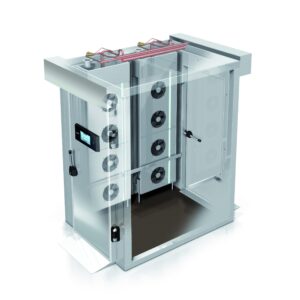
Blast Chiller Tunnel Start 80 25 (without Unit)
46.350 € + VAT
Availability to be confirmed
View details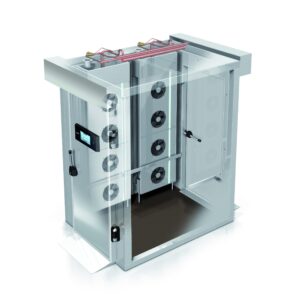
Blast Chiller Tunnel Start 60 20 (without Unit)
41.985 € + VAT
Availability to be confirmed
View details
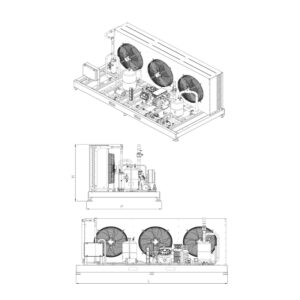
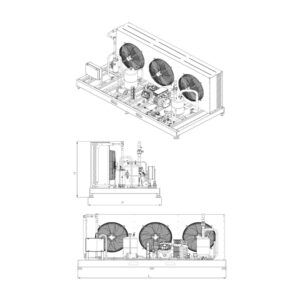
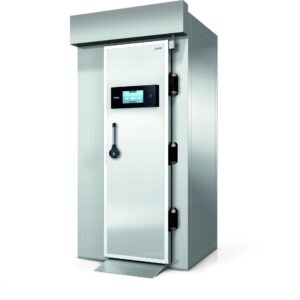
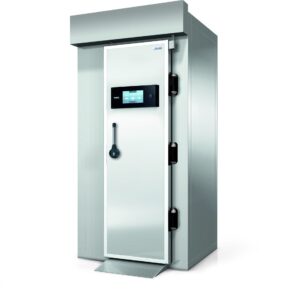
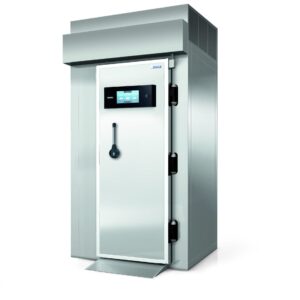
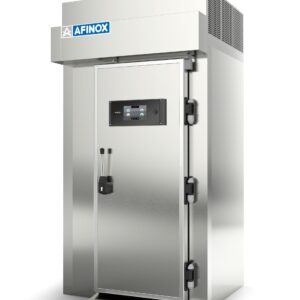
Blast Chiller Multi Trolley Compact Start 40
27.950 € + VAT
Availability to be confirmed
View details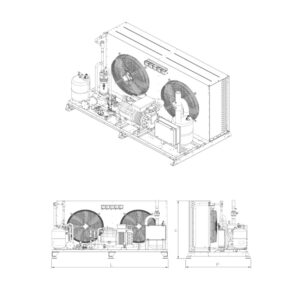

Blast Chiller Model Infinity-X 10 2/1 Multifunction
21.950 € + VAT
Availability to be confirmed
View details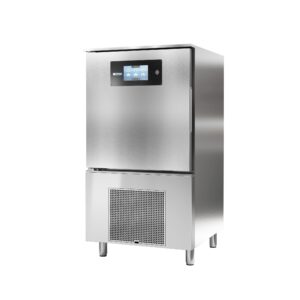
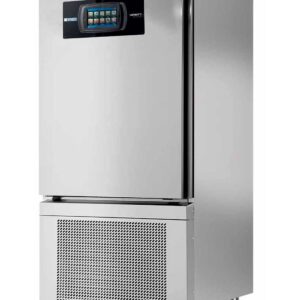
Blast Chiller Model INFINITY-15 Multifunction
16.795 € + VAT
Availability to be confirmed
View detailsPreguntas frecuentes
What is a blast chiller and why does food-safety law require one?
A blast chiller brings cooked food from +65 °C down to +3 °C in under 90 minutes, crossing the maximum bacterial-growth zone (65–10 °C) as fast as possible. HACCP self-control plans require food to be cooled quickly, and only a blast chiller can guarantee those times in a documentable way.
What size blast chiller do I need?
It is measured by product per cycle (kg) and number of GN trays. As a guide: a 40–60 cover restaurant usually works well with a 5 × GN 1/1 tray model (15–20 kg per cycle). For catering or central production, roll-in trolley models.
Is blast chilling the same as freezing?
No. Chilling takes food to +3 °C for a few days of refrigerated storage. The shock-freezing cycle takes the core to -18 °C for weeks or months of storage, preserving quality far better than a conventional freezer. Most blast chillers include both cycles.
Refrigerated cabinet or refrigerated counter?
Same storage function, different format: the cabinet uses vertical space; the counter gives you a worktop on top and fits under counters. In small kitchens the counter usually works better; in production kitchens, the 2-door cabinet.